
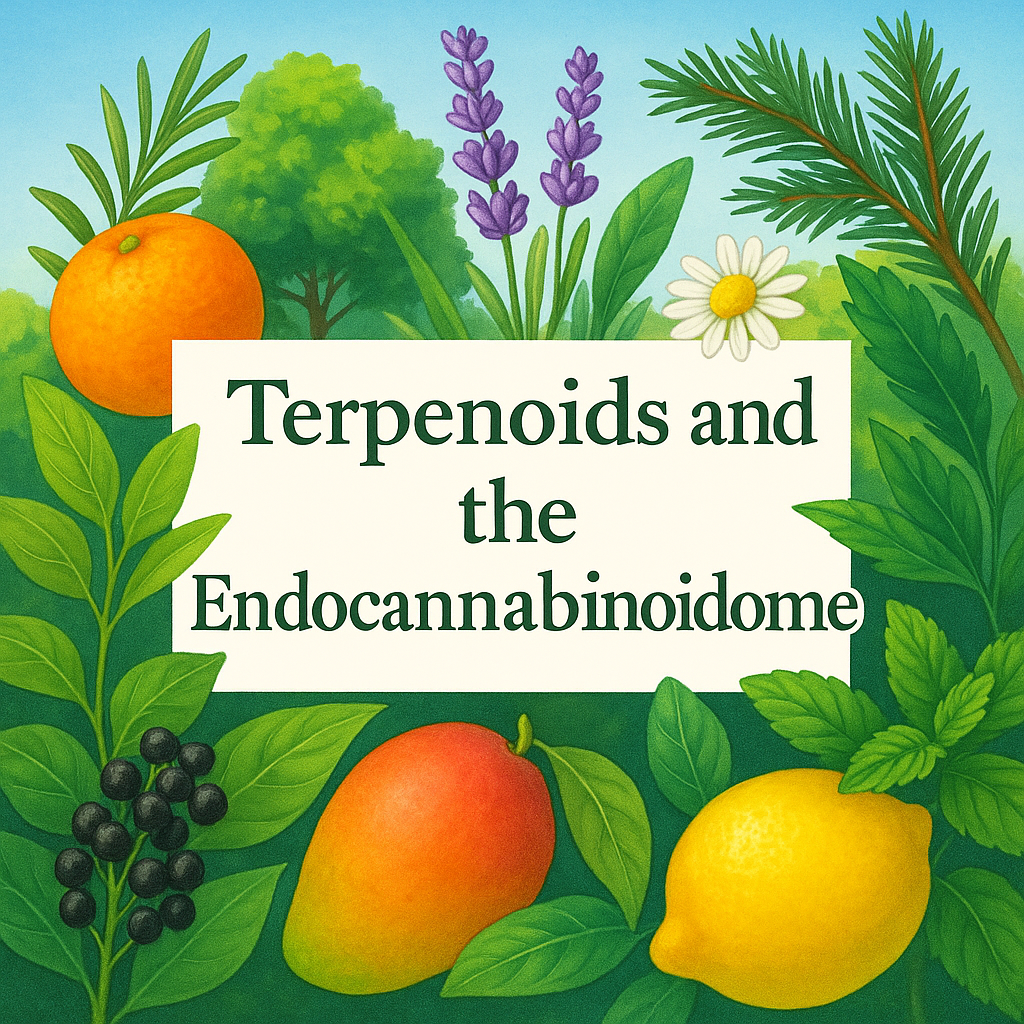
The Endocannabinoid System, known as The Master Regulator, has grown in scientific recognition as a control hub over nearly every physiological process in the human body. When we expand our focus to include all the receptors, enzymes, lipid mediators, and signaling partners involved, the term endocannabinoidome is used. This network includes hundreds of components that operate in synchrony to maintain homeostasis.
While cannabinoids from the cannabis plant have been the primary research driver for understanding this system, evidence now shows that terpenoids from a wide range of plants also act on the endocannabinoidome. These molecules are not limited to cannabis. They are present in fruits, vegetables, herbs, flowers, and trees, shaping how we feel, how we heal, and how we regulate our inner balance.
This paper explores how terpenoids influence the endocannabinoidome, covering their actions on receptors, enzymes, transport systems, and signaling pathways. By broadening the scope beyond cannabis, we recognize the role of nature’s aromatic compounds in maintaining health through the modulation of The Master Regulator.

The Endocannabinoidome: A Network of Signaling
The original discovery of CB1 and CB2 receptors, along with the endocannabinoids anandamide and 2-AG, set the stage for what would become one of the most important physiological control systems ever mapped. Today the endocannabinoidome is recognized as including:
- Receptors: CB1, CB2, TRP family channels (TRPV1, TRPV2, TRPA1, TRPM8), orphan G protein coupled receptors such as GPR18, GPR55, and GPR119, nuclear receptors including PPAR alpha, gamma, and delta, as well as opioid and serotonin receptors that cross-signal with the ECS.
- Endocannabinoids and related lipids: Anandamide, 2-AG, virodhamine, NADA, OEA, PEA, SEA, DEA, LEA, and a growing family of over 100 N-acyl ethanolamines, glycine conjugates, and monoacylglycerols.
- Enzymes: Synthetic enzymes like NAPE-PLD and DAGL alpha and beta, degrading enzymes such as FAAH, FAAH-2, MAGL, ABHD6, ABHD12, as well as oxidizing pathways through COX-2, lipoxygenases, and cytochrome P450 families.
- Transport systems: Fatty acid binding proteins, albumin carriers, and heat shock proteins.
This complexity is what makes the endocannabinoidome a master balancing system. It does not act in isolation but integrates immune, endocrine, nervous, gastrointestinal, and reproductive systems into a unified web of signaling.
Terpenoids as Natural Modulators
Terpenoids, also called isoprenoids, are the largest family of natural products in the plant kingdom. With over 60,000 identified, they provide the fragrance of lavender, the zest of citrus, the pine scent of forests, and the pepper bite of spices. These molecules have traditionally been studied for aroma, antimicrobial, or antioxidant properties, but recent research shows their relevance to ECS biology.
Unlike classical cannabinoids, most terpenoids do not bind strongly to CB1 or CB2. Instead, they interact with:
- Ion channels like TRPV1 and TRPM8.
- G protein coupled receptors such as GPR55.
- Nuclear receptors like PPARs.
- Enzymes that regulate endocannabinoid levels.
Through these actions, terpenoids shape endocannabinoid tone, receptor sensitivity, and cellular signaling in ways that impact inflammation, mood, metabolism, and neuroprotection.

TRP Channel Modulation
Transient receptor potential channels are ion gates that regulate temperature sensation, pain signaling, and neurogenic inflammation. Several terpenoids directly interact with these channels.
- β-Caryophyllene: Found in black pepper, cloves, oregano, and rosemary, this sesquiterpene is a selective CB2 agonist but also engages TRPV1, reducing inflammation and pain sensitivity.
- Limonene: A monoterpene abundant in citrus, limonene modulates TRPV1 and TRPA1 channels, influencing gastric motility, visceral pain, and mood regulation.
- Linalool: Present in lavender, linalool modulates TRPV1 and TRPM8, contributing to its anxiolytic and cooling effects.
- Menthol: From mint species, menthol is a strong TRPM8 agonist and also influences TRPA1, linking it to cold sensation and analgesia.
These TRP interactions demonstrate that terpenoids directly shape sensory and inflammatory pathways that the endocannabinoidome regulates.
Enzyme and Metabolic Pathway Effects
Endocannabinoids are produced and degraded on demand. This means enzymes tightly control their levels. Terpenoids affect this regulation in multiple ways.
- Myrcene, abundant in hops, thyme, and mango, reduces prostaglandin synthesis and thereby interacts with COX pathways that also metabolize endocannabinoids.
- Geraniol, found in roses and lemongrass, reduces oxidative stress and modulates inflammatory enzymes, indirectly stabilizing endocannabinoid activity.
- α-Pinene, present in conifer trees and rosemary, inhibits acetylcholinesterase, which indirectly alters neurotransmitter balance and enhances ECS-linked modulation.
By influencing these enzyme systems, terpenoids shape how much anandamide or 2-AG remains available in tissues.
Nuclear Receptor Crosstalk
Nuclear receptors such as PPARs play major roles in lipid metabolism, glucose control, and inflammation. They are also part of the endocannabinoidome.
- Farnesol, found in citrus peels, chamomile, and essential oils, activates PPAR alpha and PPAR gamma, linking ECS activity to metabolic regulation.
- Caryophyllene oxide, an oxidized form of β-caryophyllene, engages PPAR pathways involved in immune signaling.
This means terpenoids can function as dietary regulators of lipid metabolism while simultaneously shaping ECS signaling.
Endocannabinoid Tone and Systemic Balance
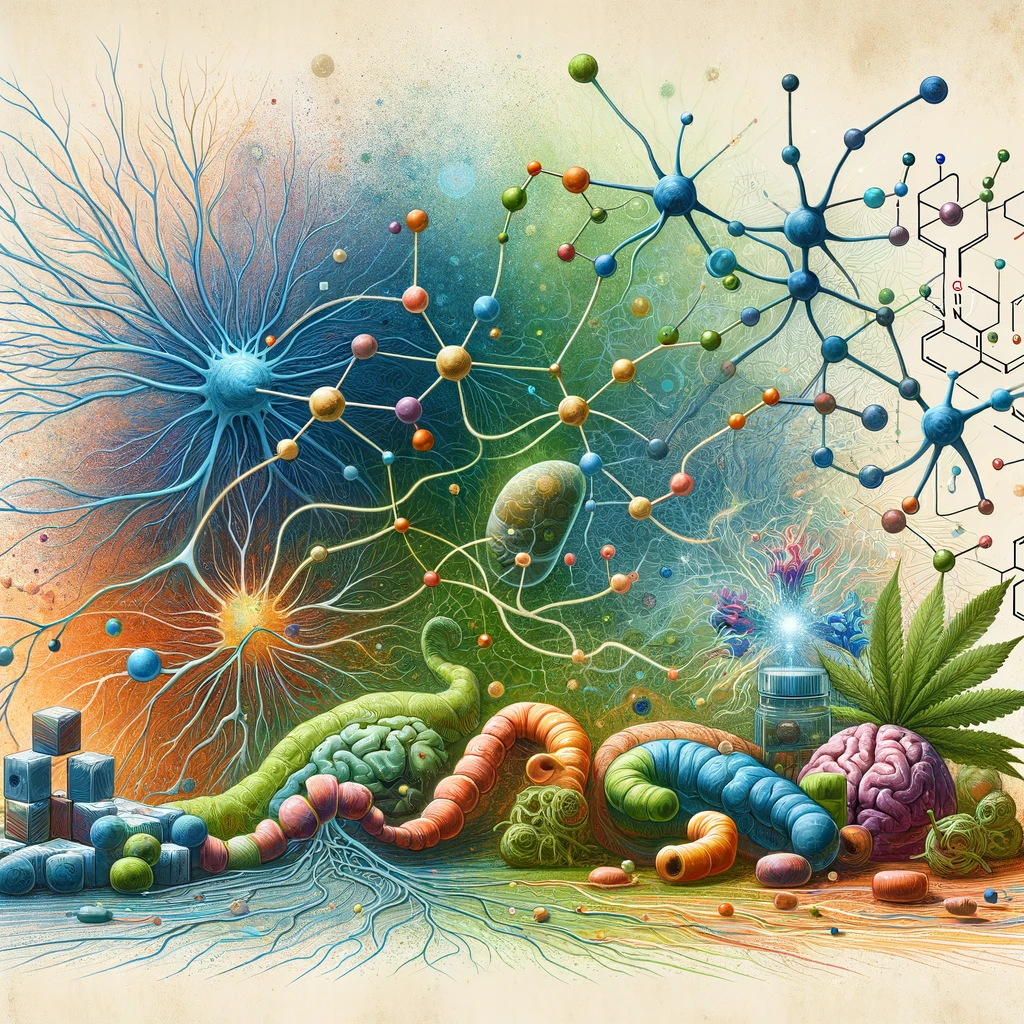
Endocannabinoid tone refers to the steady state balance of endocannabinoids and their activity at receptors. Terpenoids can raise or lower tone by:
- Inhibiting FAAH or MAGL, resulting in elevated levels of anandamide or 2-AG.
- Modifying receptor sensitivity to cannabinoids or endocannabinoids.
- Supporting or reducing transport efficiency through fatty acid binding proteins.
- Engaging complementary neurotransmitter systems that work in tandem with the ECS, such as serotonin and dopamine.
For example, limonene enhances serotonin signaling while caryophyllene influences dopamine pathways. Both converge with ECS function to regulate mood and stress responses.
Examples of Vast Terpenoids Across Nature
The diversity of terpenoid influence extends far beyond cannabis.
- Rosemary: Contains carnosol, borneol, camphor, and pinene, all of which interact with TRP channels, acetylcholine enzymes, and antioxidant pathways.
- Lavender: Linalool-rich essential oils show anxiolytic effects through serotonin and TRP channel modulation.
- Black Pepper: Dietary β-caryophyllene provides CB2 receptor activation and anti-inflammatory benefits.
- Mint: Menthol activates TRPM8, creating analgesic and cooling effects.
- Citrus: Limonene supports immune balance, gut function, and mood regulation.
- Chamomile: Farnesol and bisabolol interact with nuclear receptors and reduce oxidative damage.
Each of these plants contributes terpenoids that support ECS balance without containing cannabinoids.
Clinical and Lifestyle Implications
The recognition that terpenoids influence the endocannabinoidome expands the therapeutic toolkit. This means that:
- Aromatherapy with terpenoid-rich essential oils engages ECS-linked pathways of mood and stress.
- Dietary inclusion of herbs, spices, fruits, and vegetables provides natural ECS modulators that support balance.
- Functional foods and nutraceuticals may be designed to deliver specific terpenoids to influence inflammation, metabolism, or neuroprotection.
This broader perspective allows clinicians and researchers to move beyond cannabis and see the ECS as responsive to a wide variety of botanical influences. The endocannabinoidome is not only a target of cannabinoids but of terpenes and terpenoids that nature provides abundantly.
Conclusion
The endocannabinoidome represents an expansive network of receptors, ligands, enzymes, and signaling systems that regulate human health. Terpenoids from plants across the natural world influence this network at multiple levels, from receptor activation to enzyme inhibition and nuclear receptor engagement. These interactions demonstrate that ECS balance can be shaped through everyday diet, aroma, and plant-based interventions. Recognizing terpenoids as ECS modulators provides a new layer of understanding of how nature maintains balance in the body.
Mike Robinson, Endocannabinoid System Researcher & CEO of Nanobles

References
- Cristino L, Bisogno T, Di Marzo V. Cannabinoids and the expanded endocannabinoid system in neurological disorders. Nat Rev Neurol. 2020;16:9-29. doi: 10.1038/s41582-019-0284-z
- Maccarrone M, Di Marzo V, Gertsch J, Grether U, Howlett AC, Hua T, et al. Goods and bads of the endocannabinoid system as a therapeutic target: lessons learned after 30 years. Pharmacol Rev. 2023;75:885-958. doi: 10.1124/pharmrev.122.000600
- Fezza F, Bari M, Florio R, et al. Endocannabinoids, related compounds and their metabolic routes. Molecules. 2014;19:17078-17106. doi: 10.3390/molecules191117078
- Russo EB. Taming THC: potential cannabis synergy and phytocannabinoid-terpenoid entourage effects. Br J Pharmacol. 2011;163:1344-1364. doi: 10.1111/j.1476-5381.2011.01238.x
- Iannotti FA, Di Marzo V, Petrosino S. Endocannabinoids and endocannabinoid-related mediators: targets, metabolism and role in neurological disorders. Prog Lipid Res. 2016;62:107-128. doi: 10.1016/j.plipres.2016.02.002
- Sampaio L, Campos RMP, Karhson D, Iannotti FA. Editorial: Insights on cannabinoid translational science and medicine: the endocannabinoidome as a target for clinical practice. Front Neurosci. 2024;18:1432892. doi: 10.3389/fnins.2024.1432892
Share It:
Tags:

Marshmallow Leaf and the Master Regulator: A Plant Ally for Balance

Leave A Comment